Hoya Kerrii For Sale: An Ultimate Guide to Growing and Caring for Your Sweetheart Plant
Have you ever heard of the Hoya Kerrii plant? If not, then you are in for a treat. The Hoya Kerrii is a type of succulent native to Southeast Asia that has become increasingly popular among plant enthusiasts. Known for its heart-shaped leaves, this plant has been given the nickname "sweetheart plant." In this article, we will discuss everything you need to know about Hoya Kerrii for sale, from how to grow and care for it, to where you can find it.
What is Hoya Kerrii?
Hoya Kerrii, commonly known as the sweetheart plant, is a slow-growing succulent that belongs to the dogbane family (Apocynaceae). It was first discovered in Thailand, but it's now widely cultivated in many parts of the world. The plant's most notable feature is its thick, fleshy leaves that are shaped like hearts. The leaves can be green or variegated, and they grow on long, trailing vines.
Where to Find Hoya Kerrii for Sale
If you're interested in buying a Hoya Kerrii plant, there are several places you can look. One option is to check your local nurseries or garden centers. They may have Hoya Kerrii plants available for purchase. Another option is to search online. There are many websites that specialize in selling plants and succulents, including Hoya Kerrii. You can also check social media platforms like Facebook Marketplace or Instagram to see if any local sellers are offering Hoya Kerrii for sale.
When purchasing a Hoya Kerrii plant, make sure to choose one that has healthy, vibrant leaves. Avoid plants with yellow or brown spots, as this could be a sign of disease or pest infestation.
How to Grow Hoya Kerrii
Hoya Kerrii is a relatively easy plant to grow, even for beginners. Here are some tips to help you grow your own sweetheart plant:
Soil
Hoya Kerrii prefers well-draining soil that is rich in organic matter. You can use a cactus or succulent mix, or make your own by mixing one part perlite or sand with two parts potting soil.
Light
Hoya Kerrii thrives in bright, indirect sunlight. It can also tolerate some shade, but too much shade can cause the leaves to become pale and leggy. Avoid placing your plant in direct sunlight, as this can scorch the leaves.
Watering
Hoya Kerrii is drought-tolerant and doesn't require frequent watering. Water your plant when the soil feels dry to the touch. Be sure not to overwater, as this can lead to root rot.
Humidity
Hoya Kerrii prefers moderate to high humidity levels. You can increase humidity by placing a tray of water near your plant or using a humidifier.
Temperature
Hoya Kerrii prefers warm temperatures between 60-85°F (15-29°C). It can tolerate cooler temperatures, but avoid exposing it to temperatures below 50°F (10°C).
Fertilizer
Hoya Kerrii doesn't require frequent fertilization. You can feed it once a month during the growing season with a balanced fertilizer.
Propagating Hoya Kerrii
Propagating Hoya Kerrii is relatively easy and can be through stem cuttings. Here's how to do it:
- Choose a healthy stem with at least three leaves.
- Cut the stem just below a leaf node.
- Allow the cutting to dry for a few hours.
- Dip the cut end of the stem in rooting hormone.
- Plant the cutting in well-draining soil and water thoroughly.
- Keep the soil moist but not wet, and place the cutting in bright, indirect sunlight.
- After a few weeks, roots should to form, and new growth will appear.
Common Problems with Hoya Kerrii
Like all plants, Hoya Kerrii is prone to a few problems. Here are some common issues you may encounter:
Overwatering
Overwatering can lead to root rot and other fungal diseases. Make sure to allow the soil to dry out between watering.
Pests
Mealybugs and spider mites are common pests that can affect Hoya Kerrii. You can treat them by wiping down the leaves with a solution of water and dish soap.
Leggy Growth
If your plant is growing leggy or sparse, it may be due to insufficient light. Move your plant to a brighter location to encourage fuller growth.
Hoya Kerrii is a beautiful and unique plant that is easy to care for and propagate. Whether you're a seasoned plant enthusiast or a beginner, this succulent is sure to bring a touch of sweetness to your home.
Frequently Asked Questions
Q: How often should I water my Hoya Kerrii plant?
A: Water your plant when the soil feels dry to the touch. Avoid overwatering, as this can lead to root rot.
Q: Can Hoya Kerrii tolerate low light conditions?
A: Hoya Kerrii prefers bright, indirect sunlight. It can tolerate some shade, but too much shade can cause the leaves to become pale and leggy.
Q: What type of soil should I use for my Hoya Kerrii plant?
A: Hoya Kerrii prefers well-draining soil that is rich in organic matter. You can use a cactus or succulent mix, or make your own by mixing one part perlite or sand with two parts potting soil.
Q: How often should I fertilize my Hoya Kerrii plant?
A: Hoya Kerrii doesn't require frequent fertilization. You can feed it once a month during the growing season with a balanced fertilizer.
Q: Can I propagate Hoya Kerrii from leaf cuttings?
A: No, Hoya Kerrii cannot be propagated from leaf cuttings. Instead, use stem cuttings with at least three leaves.
Q: How do I prevent pests from attacking my Hoya Kerrii plant?
A: You can prevent pests by keeping your plant clean and wiping down the leaves with a solution of water and dish soap.
Q: What is the best temperature range for Hoya Kerrii?
A: Hoya Kerrii prefers warm temperatures between 60-85°F (15-29°C). It can tolerate cooler temperatures, but avoid exposing it to temperatures below 50°F (10°C).
Q: How can I increase humidity for my Hoya Kerrii plant?
A: You can increase humidity by placing a tray of water near your plant or using a humidifier.
Q: Is Hoya Kerrii toxic to pets?
A: Yes, Hoya Kerrii is toxic to pets if ingested. Keep it out of reach of dogs and cats.
Q: Can Hoya Kerrii be grown outdoors?
A: Hoya Kerrii can be grown outdoors in warm, humid climates. However, it's best grown indoors in most regions.
Q: How long does it take for Hoya Kerrii to grow?
A: Hoya Kerrii is a slow-growing plant and can take several years to reach its full size. However, with proper care, it will continue to grow and produce new leaves for many years.
11 Hoya kerrii for sale Images

Hoya Imbricata Hoya Plants Plants Plant Projects

1000 Images About Hoya Voksplanter On Pinterest Hindus Flower And

Hoya Kerrii Sweetheart Hoya Hoya Kerrii Plants Hoya Plant

Hoya Lobbii Hoya Plant Guava Tree Hoya Plants

US 1595 HOYA KERRII ALBOMARGINATA VARIEGATED HOYAS Pinterest

Hoya Plicata Hoya Plant Guava Tree Hoya Plants

Hoya Curtisii Houseplants Or Indoorplants

Quote For The Day Plant Pictures Plants Wildlife Habitat

Pin On INDOOR GARDENING

Malformalady Pots Of Hoya Kerrii In A Garden Nursery Hoya Kerrii Is A
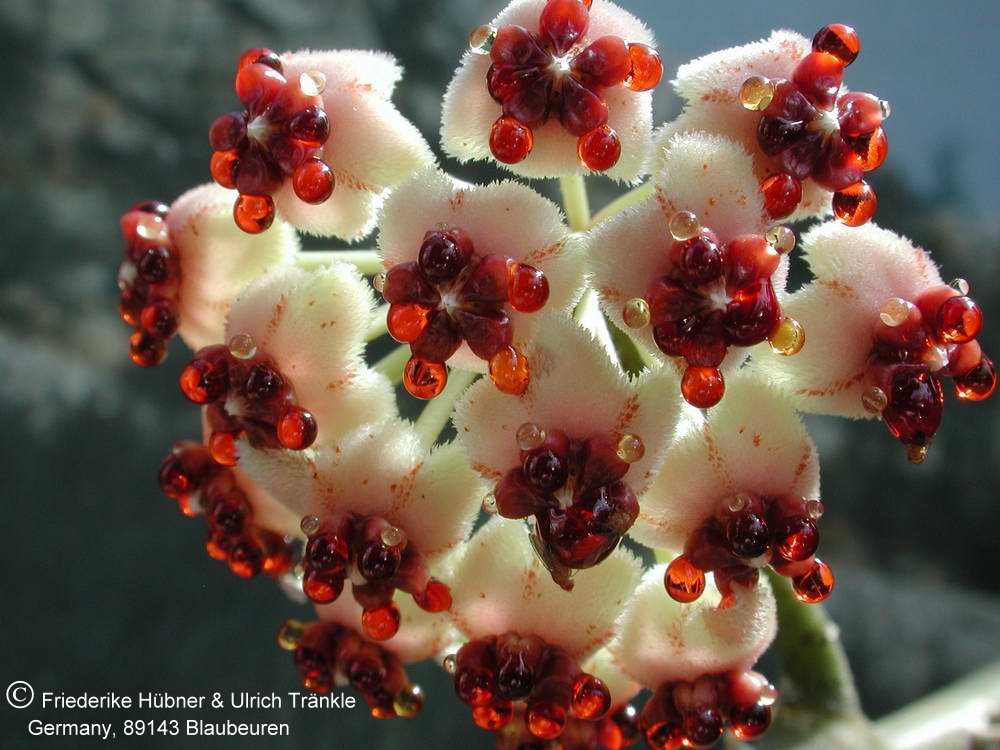
Hoya Kerrii
Post a Comment for "Hoya Kerrii For Sale: An Ultimate Guide to Growing and Caring for Your Sweetheart Plant"